

Lemon essential oil benefits: what is proven and how to use it safely
Lemon essential oil benefits are listed on plenty of bottles: good for the skin, the hair or your mood. Yet the evidence is missing for most of those promises, and this oil calls for some care.
This article looks at what has actually been shown and how to use the oil with care.
What is lemon essential oil?
Lemon essential oil comes from the zest, the peel of the lemon, usually by cold pressing. Oil from the leaves is a different oil, with a different composition.

One morning in the kitchen, we grated a fresh zest and found that same sharp scent. For a massage, see how to dilute essential oils before applying it.
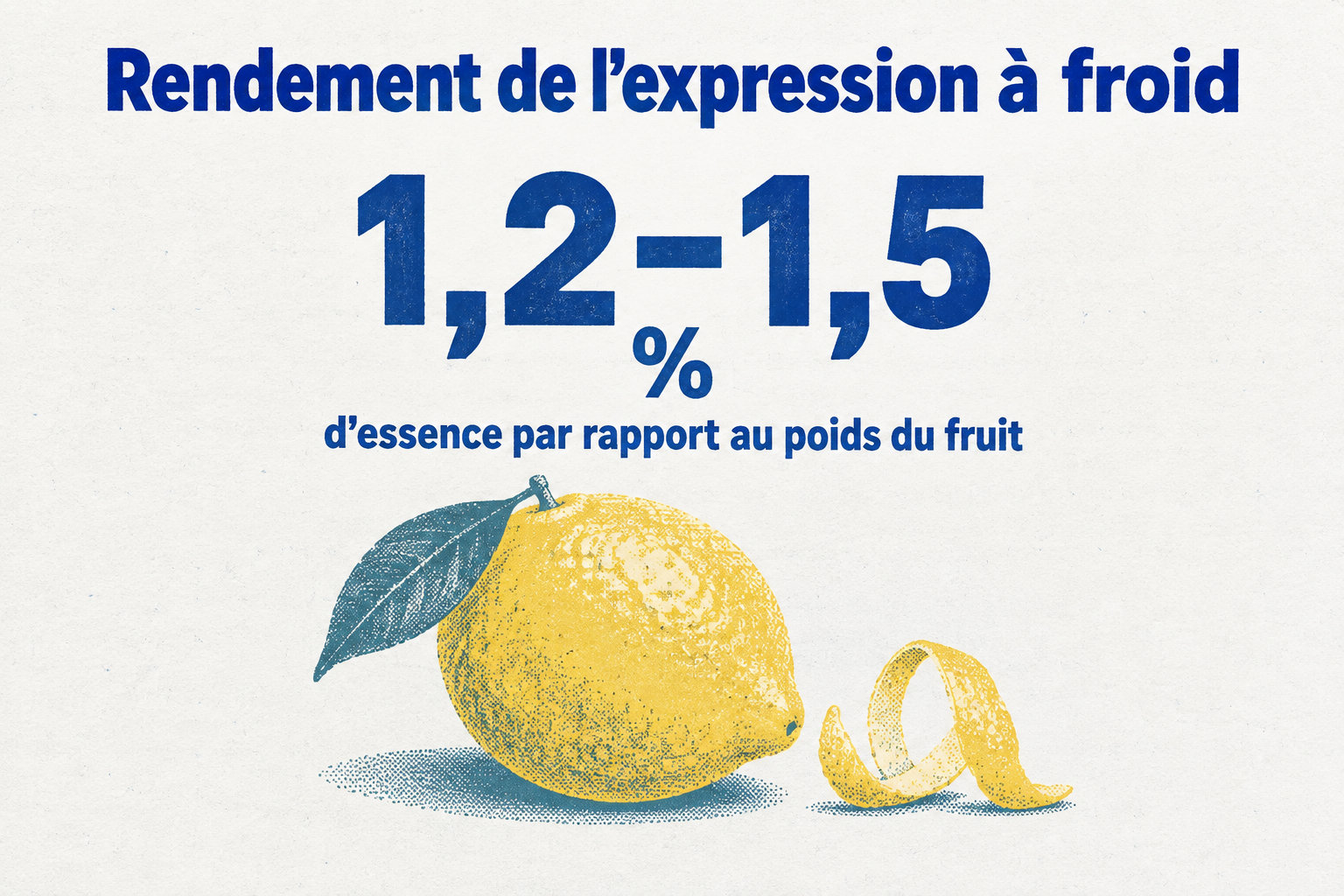
On the Bon Sens Organic Italian Lemon Essential Oil, look for Italy, cold-pressed zest and Citrus limon Osbeck.
For a softer, fruitier note, see sweet orange oil from Bon Sens.
What does lemon essential oil contain?
Lemon essential oil is mostly limonene. Limonene generally makes up 50 to 75% of the oil.
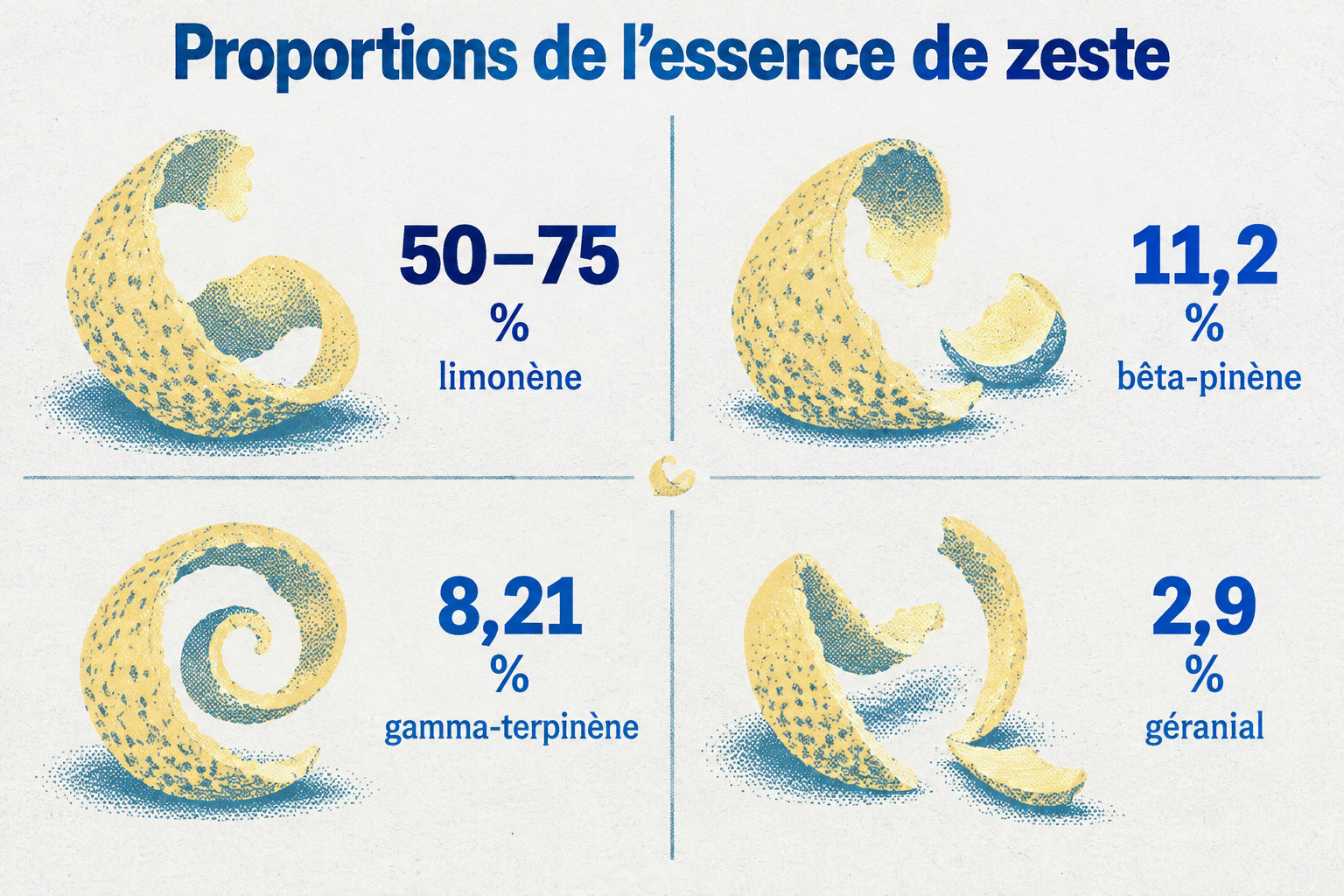
In a kitchen test, we noticed that zest scent straight away: limonene is what carries it. Its share varies with the origin of the lemon and the extraction method.
Extraction
-
Cold-pressed
May contain furocoumarins, which react to sunlight.
-
Steam-distilled
The furocoumarins stay in the plant material, so the risk is lower.
-
Check the label
Read the method, then see the best organic essential oils for the home.
Lemon essential oil benefits: what is proven and what is not?
Scent and atmosphere
At home, an open bottle in the kitchen is enough to smell lemon across the room. But the scent of lemon essential oil only fragrances a room, with no evidence of a medical effect. A diffuser can irritate the nose and throat.
Pregnancy nausea: one limited trial
One trial followed 100 pregnant women, split into two groups. They inhaled either lemon or a control oil when nausea came on. The lemon group reported less nausea on days 2 and 4, by inhalation only.
Liver and "detox": animal data
On a shop shelf, a bottle sometimes promises to "detoxify" the liver. The idea comes from experiments in which animals were exposed to substances that damage the organ. In humans, nothing proves it.
Antimicrobial properties on surfaces
In the laboratory, lemon oil shows an effect on certain microbes. But that test does not prove that diffusing it in a room prevents or clears an infection. At home, do not count on the diffuser against an infection.
Antimicrobial action
Established
- An effect on certain microbes, in the laboratory only
Not established
- Diffusing it to deal with an infection
Reminder
- Do not use this oil in place of medical care
- For the skin, see black seed oil for the face
Lemon essential oil benefits for skin, hair and mood: the common uses
Skin
On oily skin, some aromatherapy practices use lemon essential oil. That use does not prove that it helps with acne. And never apply the oil neat to the skin: avoid the face, the eyes and the mucous membranes.
Hair and scalp
On oily hair, this use is common, but nothing proves that it works. One morning, we added some of the oil to our shampoo: it smelt good.
It does not regulate sebum, the natural oil of the scalp. For oily hair, see the benefits of jojoba oil.
Wellbeing
For wellbeing, the appeal of lemon oil is sensory. Its fresh, zesty smell makes a space pleasant when you diffuse it in a well-ventilated room.
It is not a remedy for low mood: nothing proves that it relieves stress, anxiety or depression.
If your skin is sensitive or reactive, ask a healthcare professional for advice before using an essential oil. Skin that reddens or itches easily is more prone to reactions.
How do you use lemon essential oil, and what should you avoid?
Inhalation and diffusion
The right concentration of lemon essential oil depends on the product and the use, so there is no general dose. For inhalation, follow the instructions on the product, not a recipe written for another essential oil. With a spray or a diffuser, ventilate the room.
To diffuse with care, in a ventilated room, follow these steps:
- Diffuse in short sessions, then take a break.
- Never heat the oil to diffuse it.
- Follow the instructions for your own diffuser.
Diluted application on the skin
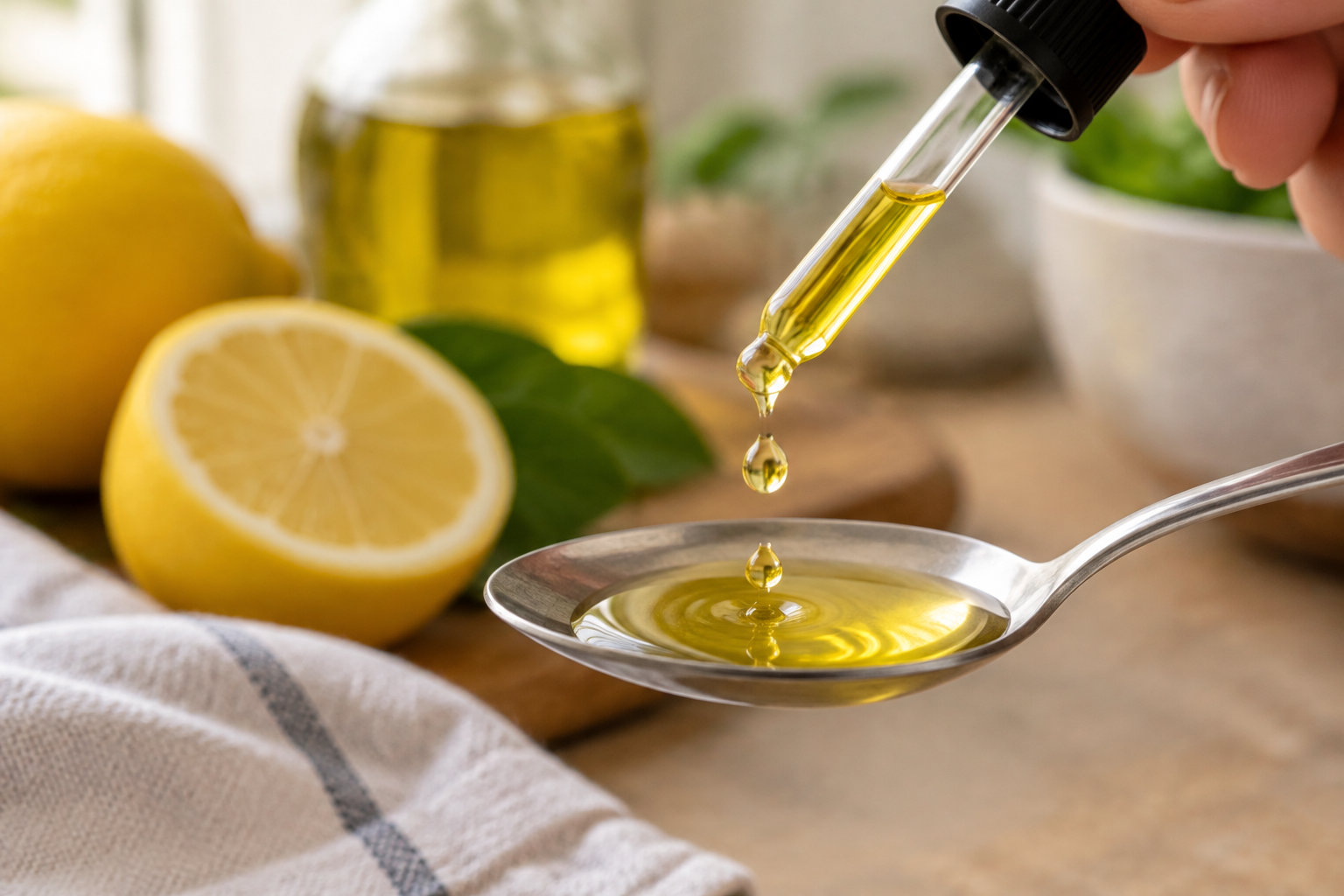
Never apply it neat to the skin. With the Bon Sens Organic Italian Lemon Essential Oil, put 2 to 3 drops in a teaspoon of carrier oil. For a massage, see how to dilute an essential oil.
Safety steps
Wash your hands
After applying it, so that your fingers no longer carry the oil.
Avoid the eyes, nose and mucous membranes
Never put neat oil on these areas.
Do not swallow the oil
Without advice from a healthcare professional, nothing by mouth.
Precautions, contraindications and current medication
Photosensitivity
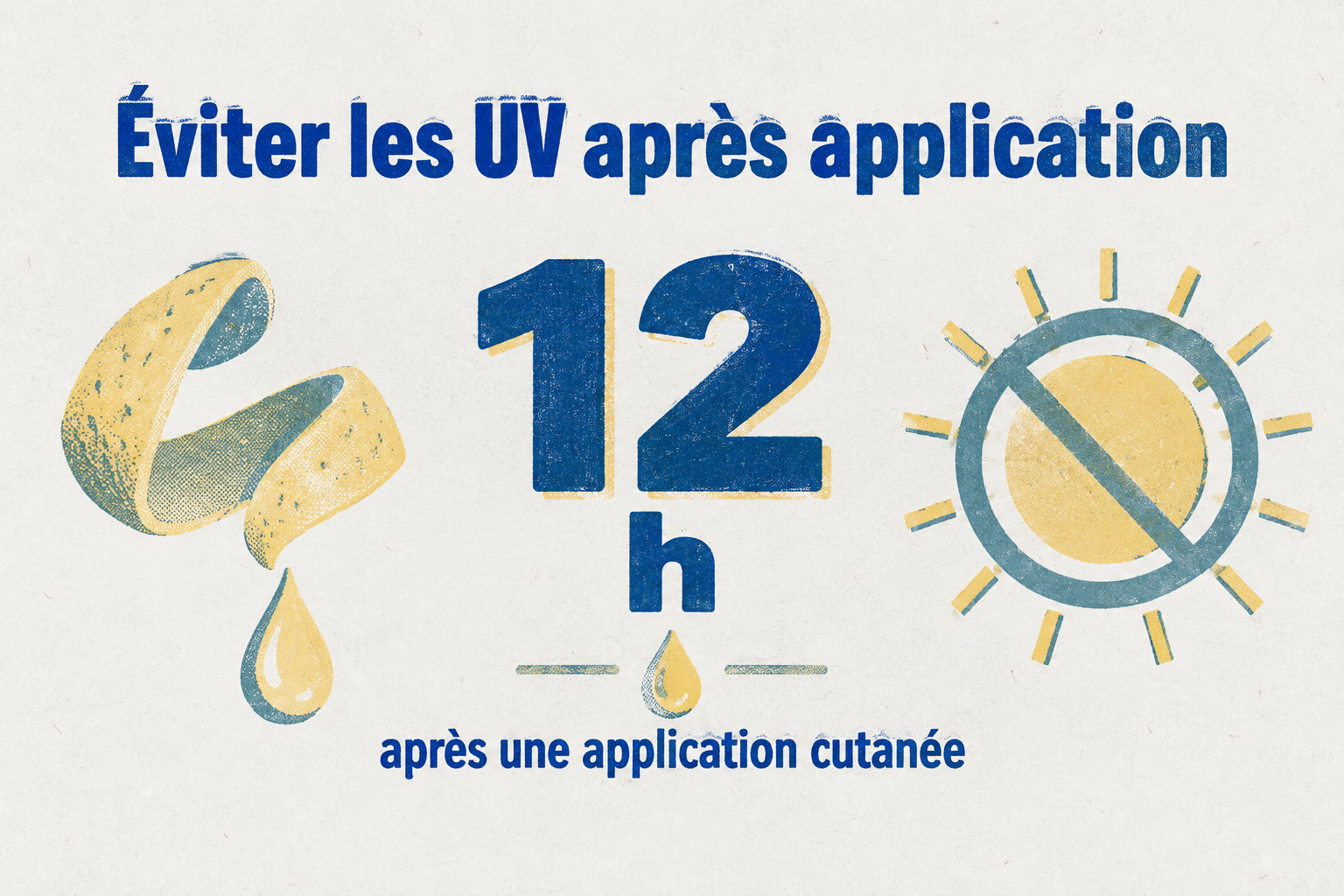
After applying lemon essential oil, avoid the sun and UV for at least 12 hours. Otherwise the rays can make the skin react, with redness or a mark. Bear it in mind before going out or using a sunbed.
Pregnant women and children
A bottle left by the washbasin once caught the eye of a curious little one. Essential oils are not advised for children or pregnant women. Keep them out of reach and ask a healthcare professional before any use.
Current medication
Before using the oil, ask a healthcare professional in these cases:
- You are taking medication.
- Your skin is sensitive or reacts easily.
- You are unsure about what you are taking and what the oil might change.
If the oil is swallowed or too much is used, call NHS 111 (or a poison centre outside the UK) and keep the bottle with you.
If you have trouble breathing or it is a life-threatening emergency, call 999 (112 in the EU). For your beauty routine, see the benefits of castor oil.
How do you recognise a good-quality lemon essential oil?
On the label of a lemon essential oil, check the stated function, the botanical name and the origin. Those are what really tell you what you are buying.
For mature skin, see the benefits of rosehip oil.
On the bottle, check:
- organic certification
- the origin: Italy, cold-pressed from fresh zest
- the name Citrus limon and the 50 ml content
Storing the oil well
- Close the bottle after each use.
- Keep it away from light and heat.
- Follow the date and the instructions on the packaging.
Lemon essential oil is mainly a fragrance. Nothing proves that it helps the skin, the hair or an infection, or that it lifts your mood.
To use it, always dilute it in a carrier oil, and ask a healthcare professional if you are pregnant or taking medication. Before buying, read the label.
Frequently asked questions
What is the difference between lemon essential oil and furocoumarin-free lemon oil?
Cold-pressed lemon essential oil can contain furocoumarins, substances that make the skin sensitive to sunlight.
Distilled, or furocoumarin-free, lemon oil contains very little, or none at all, and so carries less risk in the sun.
How long does lemon essential oil keep once opened?
There is no fixed shelf life for an opened lemon essential oil: it depends on the product and how it is stored. Go by the date on the bottle.
To keep it, close the bottle after each use and store it away from heat and light.
Do lemons and limes give the same essential oil?
No, lemons and limes do not give the same essential oil. Lemon oil comes from Citrus limon. Limes come from other citrus species or varieties, and their oil has a different composition. On the bottle, look for Citrus limon.