

How to use jojoba oil for hair without weighing it down
Jojoba oil can soften dry hair, but too much of it leaves hair greasy and heavy. So the real question is how to use jojoba oil for hair without weighing it down.
This guide covers when to apply it, how much to use, how long to leave it in and whether it suits your hair type.
How to use jojoba oil for hair: what do you need?
To use jojoba oil for hair, all you need is organic, cold-pressed jojoba oil and a few things you already have in the bathroom. When we grabbed an oil at random, it left the lengths heavy.
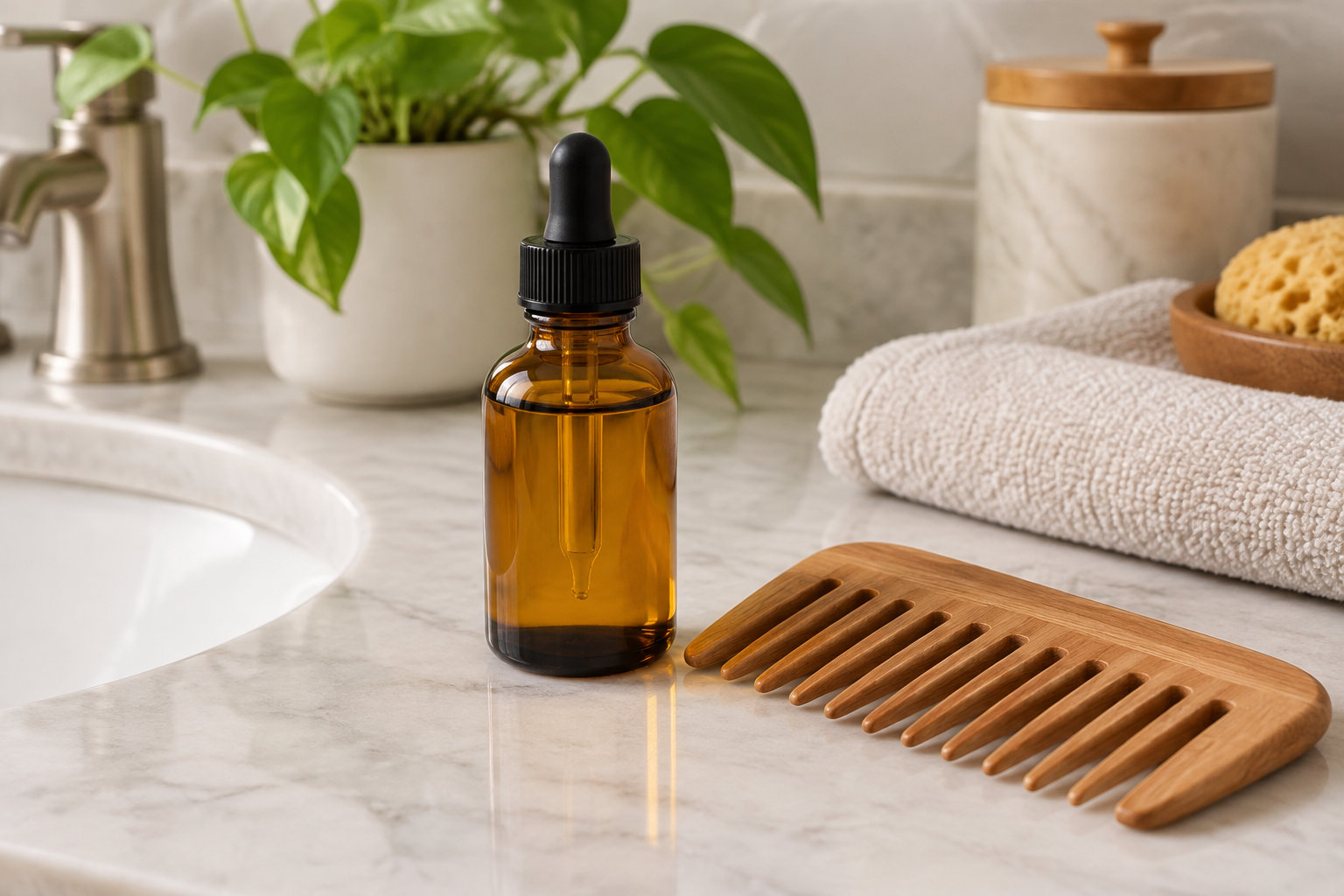
We use the Organic Jojoba Oil from Bon Sens, at €9.99. It is cold-pressed, with no heat and no chemical solvent, so it keeps its qualities, whereas refining alters an oil after extraction.
To pick the right one, see our guide to choosing jojoba oil.
For this routine, get these four things ready before you start:
- A wide-tooth comb: the widely spaced teeth detangle long or curly hair without pulling on the knots.
- A bowl to pour the oil into. A glass or a mug does the job just as well.
- Your usual shampoo.
- A warm towel: wet it with warm water, not scalding, then wring it out. An old cotton T-shirt works too.
How should you prepare your hair before applying jojoba oil?
Before you apply jojoba oil, detangle your hair. Start at the ends, then work your way up towards the roots a little at a time. This way you do not drag the knots downwards.
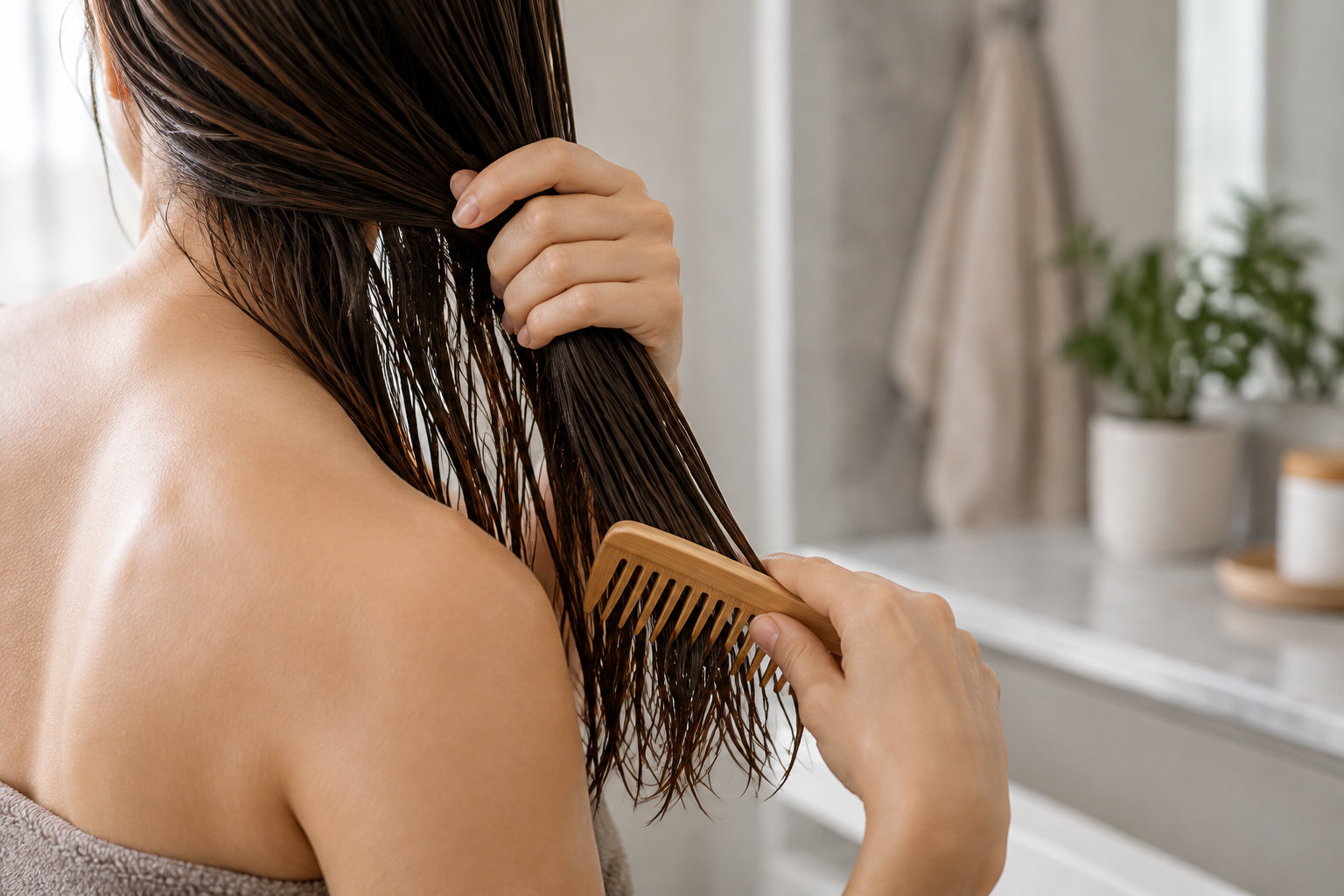
One morning we started from the top, on dry hair, and the comb caught on every pass. While you detangle, hold the section of hair close to the roots: it stops you pulling on the scalp.
Squeeze the water out of your hair before you oil it: it should be slightly damp, not dripping. The oil spreads more easily over lengths dampened this way.
Too rich? To dilute the oil, see the half-and-half blend with jojoba. It will be more fluid and your hair will stay lighter.
Step 1: detangle and nourish the lengths
When we tried it on mid-length hair, we started with a few drops on the lengths and ends. Rub them between your palms, then smooth them through, starting at the ends.

For long hair, add a little more at a time if the ends still feel dry. Then detangle a second time, again from ends to roots: the comb spreads the oil and prevents knots. The result is hair that is easier to style.
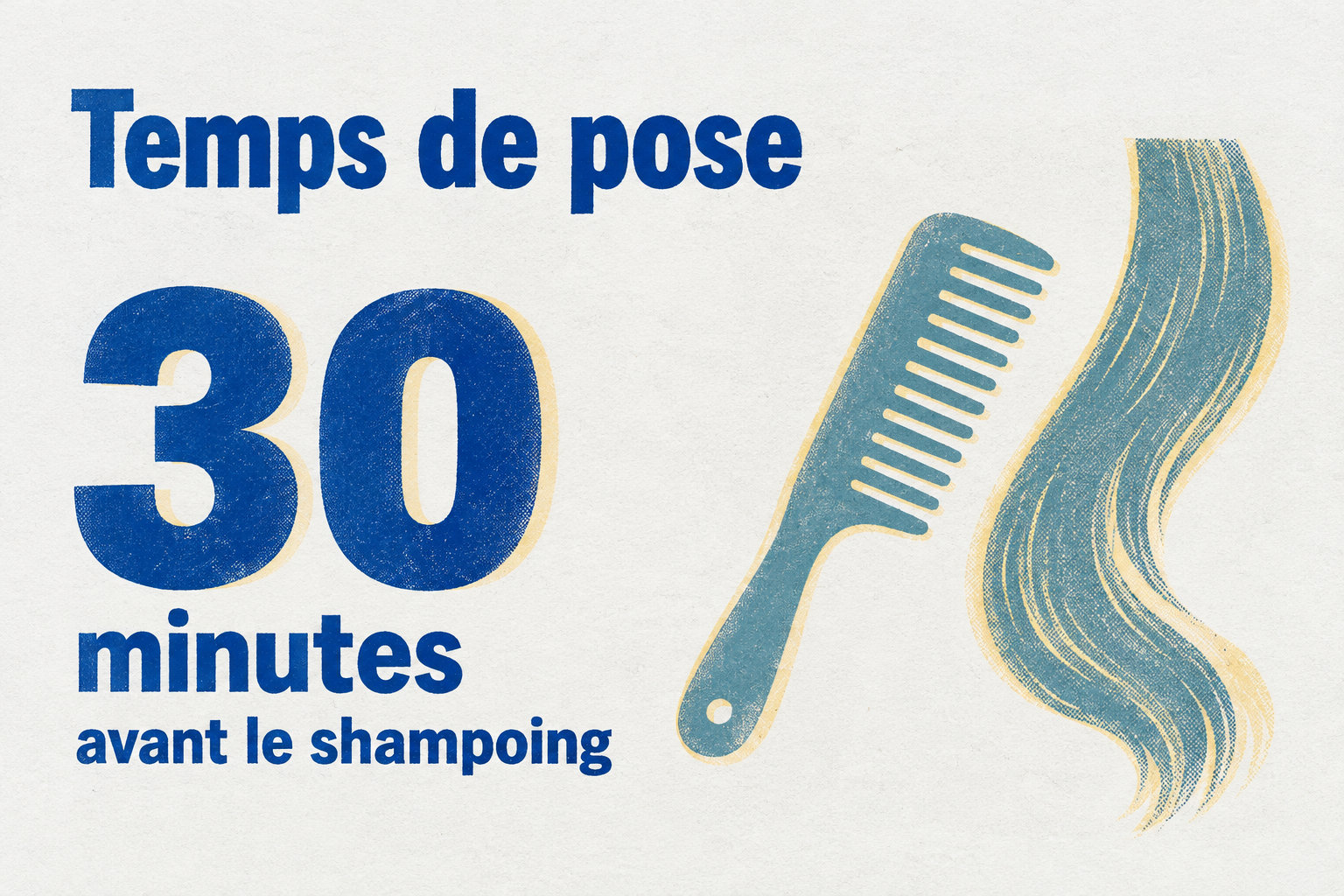
For a pre-shampoo treatment, follow these steps in order:
- Pour a small amount of oil into your palm, then rub your hands together so it spreads more easily.
- Go easy to begin with: too much oil weighs hair down and leaves it feeling greasy.
- Work it through the lengths and ends, where hair is driest.
- Leave it on for 30 minutes, then shampoo as usual.
Step 2: soothe a dry scalp
A dry scalp sheds fine, white flakes that fall away easily. One morning, while detangling a friend’s hair, we saw some land on her collar.
Massage the oil in gently with your fingertips for a few minutes, then shampoo. If your flakes are thick and yellowish, with redness, do not put oil on the roots: it builds up on an oily scalp.
If your scalp itches or turns red, stop putting oil on it: on irritated skin, it can make the discomfort worse. Flakes that come with redness or itching call for advice from a GP or a dermatologist. If you have a skin condition, or if a product has irritated your skin before, ask a healthcare professional before you try it.
Step 3: soften the ends as a finishing touch
To finish, take a single drop of oil and warm it between your palms. We tried this on hair that was already dry, on a morning when the ends were frizzy. The frizz settled down.
Then smooth it over the mid-lengths and ends, without touching the roots: there it would weigh your hair down. You also gain some shine and suppleness.
Blend or finishing touch?
What works
Thick, dry or frizzy hair: one drop on the ends as a finishing touch is enough to soften them.
What to avoid
Fine hair that looks flat or turns greasy quickly: use less and keep the oil well away from the roots.
What works
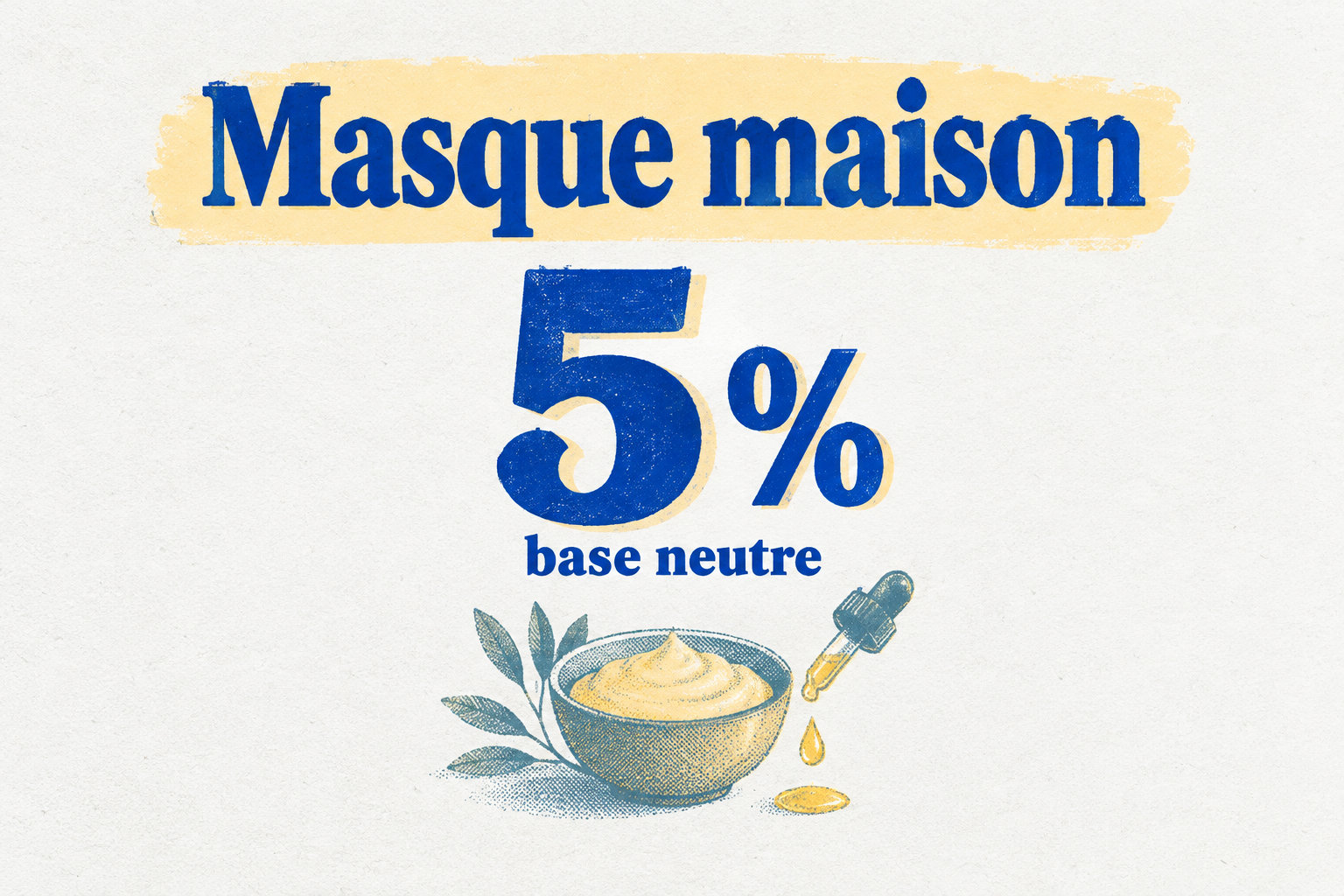
Very dry lengths: make a homemade blend, with up to 5% jojoba in a neutral base.
What to avoid
More than 5% jojoba in the base: stay under that limit.
How to use jojoba oil for hair depending on your hair type
How you use jojoba oil depends on your hair type. On wavy or curly hair, the Organic Jojoba Oil from Bon Sens helps to define curls. Look at your hair after a first try to see whether it suits you.
When we used it on damp curly hair, the curls held better as they dried. If your hair stays greasy, adjust the time you leave it in or the way you shampoo. For more on how light it feels, see the benefits for hair of jojoba oil.
The amount of oil and the area to cover change with your hair. Here is what to do in each case.
| Criterion | Fine hair | Curly or coily hair | Oily hair |
|---|---|---|---|
| Amount | Less oil | Enough for the comb to glide through | A light oil, in a small amount |
| Area | Ends only | The full length, in sections | Lengths, not the roots |
| Key step | Check the volume after the treatment | Detangle on damp hair | Start with the lengths |
How long should you leave jojoba oil in your hair?
For a mask with the Organic Jojoba Oil from Bon Sens, leave the oil in your hair for 30 minutes before shampooing. We do it on Sunday mornings, while reading for a bit: once rinsed, the lengths feel more supple.
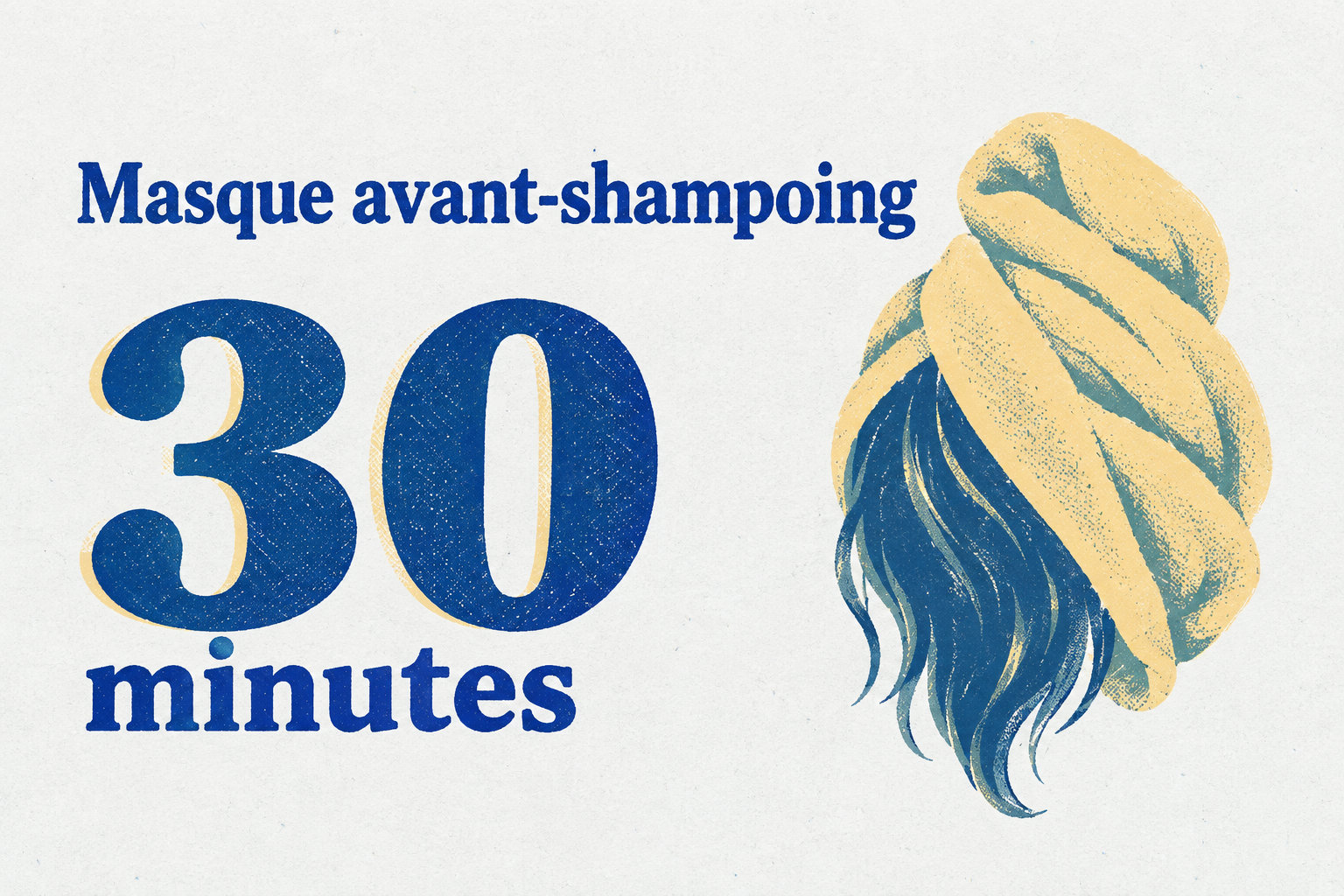
For an oil bath, where the hair is coated more generously, leaving it in for at least 30 minutes is common. Some treatments stay in overnight, if your schedule allows.
If your hair stays greasy after the treatment, adjust the timing and the shampoo:
- Wrap a warm, damp towel around your hair while the oil is in, but not if the towel is scalding.
- Apply only a little oil, because too much leaves a greasy film.
- Shampoo and rinse the lengths well. If they still feel greasy, shampoo again.
Remember three things: detangle first, use only a little oil and keep it on the lengths. If your scalp itches or turns red, stop straight away.
Your next step: try it at your next wash, with a small amount, then look at your hair as it dries. If it stays light, increase the amount gradually.
Frequently asked questions
Can you use jojoba oil on your hair every day?
Yes, you can use jojoba oil on your hair every day, as long as you apply only a small amount, on dry ends. That is where the oil is most useful.
If your hair goes flat or greasy, use less or leave more time between applications, until you find the rhythm that suits it.
Does jojoba oil make hair grow?
No, jojoba oil on its own does not make hair grow and does not slow hair loss.
It works as a surface treatment on dry lengths and ends, nothing more. If hair loss continues, ask your GP for advice.
Can you use jojoba oil on dyed or bleached hair?
Yes, you can put a little jojoba oil on the lengths and ends of dyed or bleached hair, as a surface treatment.
Before you go ahead, test it on a small strand and follow the advice that came with your hair colour.