

Donkey milk soap vs goat milk soap: which should you choose?
Contents
Donkey milk soap vs goat milk soap: on the label, both promise gentleness and comfort. Donkey milk has a more luxurious image, while goat's milk has a long tradition in handmade soaps.
Here is what really differs between the two, how to read the label on a milk soap, and why we recommend goat's milk for everyday use.
Donkey milk soap vs goat milk soap: how do the two milks differ?
Goat's milk and donkey milk differ above all in richness. Goat's milk contains markedly more fat and more protein than donkey milk, which is a light milk, close to human breast milk in its composition.
| Criterion | Goat's milk | Donkey milk |
|---|---|---|
| Fat | Rich | Very low |
| Protein | Rich | Moderate |
| What it brings to soap | Creamy lather, smooth feel | Lighter lather |
| Availability | Widely available, established organic supply | Rare milk, limited production |
For a soap, this difference matters. The fat in the milk contributes to the texture of the bar and to how skin feels afterwards. A rich milk gives a denser lather and a more comfortable feel.
Donkey milk soap: what should you know?
Donkey milk soap is a soap in which part of the water or raw materials is replaced with donkey milk. The milk is prized for its image as a precious beauty ritual, linked to the story of Cleopatra and her milk baths.
It is also a rare milk: a jenny produces little milk, which explains the higher price. In a soap, its low fat content makes it a light ingredient. If you want a nourishing everyday soap, goat's milk is the more generous option.
What makes a milk soap gentle?
A milk soap's gentleness comes down to two things: the richness of the milk and the way the soap is made. A cold-process soap is not cooked; it dries slowly. It therefore keeps the glycerine that forms naturally during production.
A superfatted soap goes further: part of the plant oils is not turned into soap and stays in the bar. Bon Sens Organic Fresh Goat's Milk Soap combines both, which lets it cleanse without drying.
- The milk: its fat makes the lather creamy.
- Cold-process saponification: it preserves the glycerine.
- Superfatting: the unsaponified oils leave skin supple.
- No added scent: a plus for skin that reacts to scented products.
Donkey milk soap vs goat milk soap: which suits your skin?
Goat milk soap suits every skin type and is particularly well suited to dry, sensitive or blemish-prone skin. Donkey milk soap is often chosen for its delicate image, but its lightness makes it less nourishing.
Dry or sensitive skin
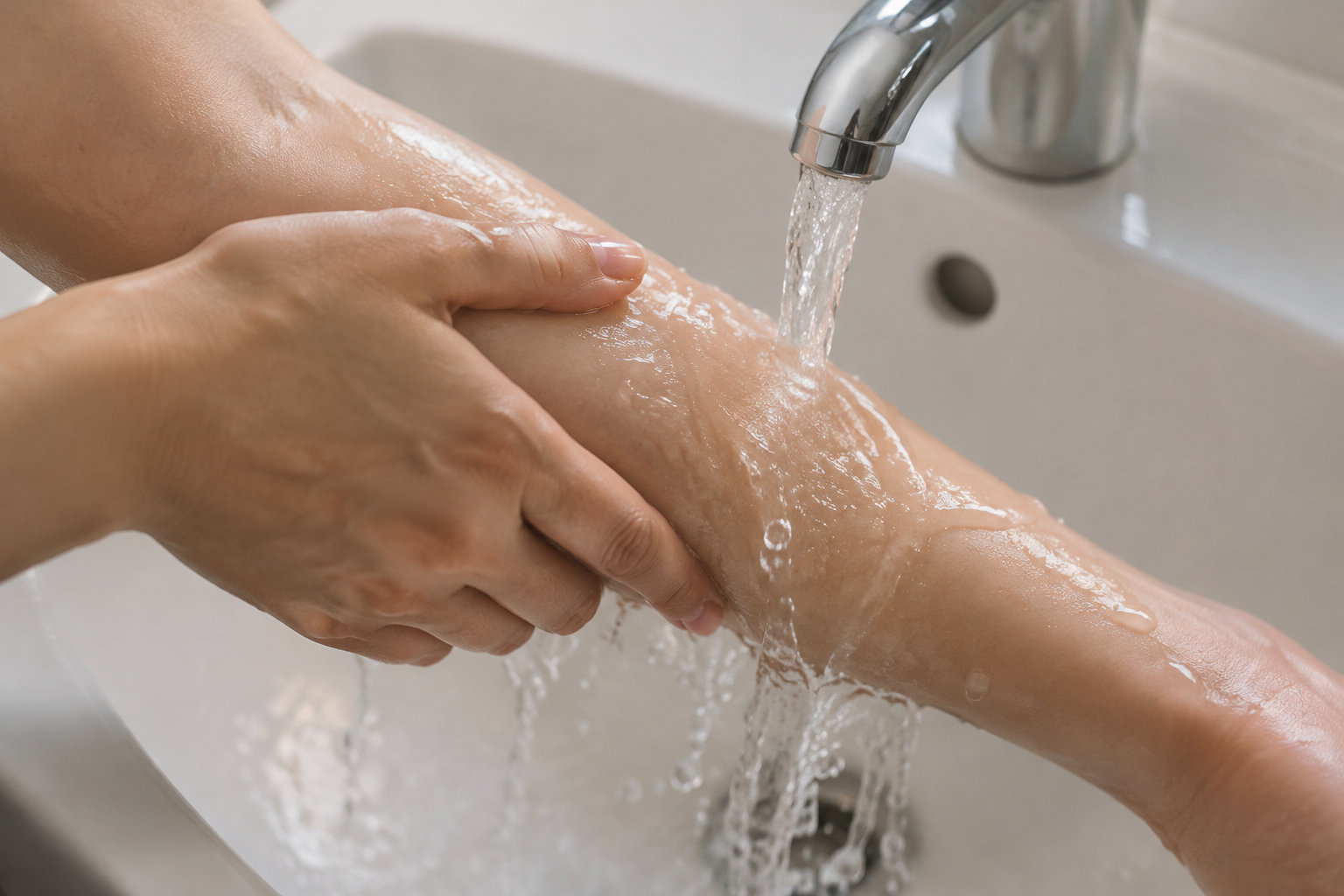
For dry or sensitive skin, an unscented, superfatted goat milk soap is the most comfortable choice: skin stays supple after rinsing. Work up a lather between your hands, apply without rubbing, then rinse with lukewarm water.
Blemish-prone skin
Blemish-prone skin needs regular, gentle cleansing. A light lather, morning and evening, without rubbing, helps keep skin clear and comfortable. Our article on soap and acne sets out the routine to follow.
How to read the label on a milk soap
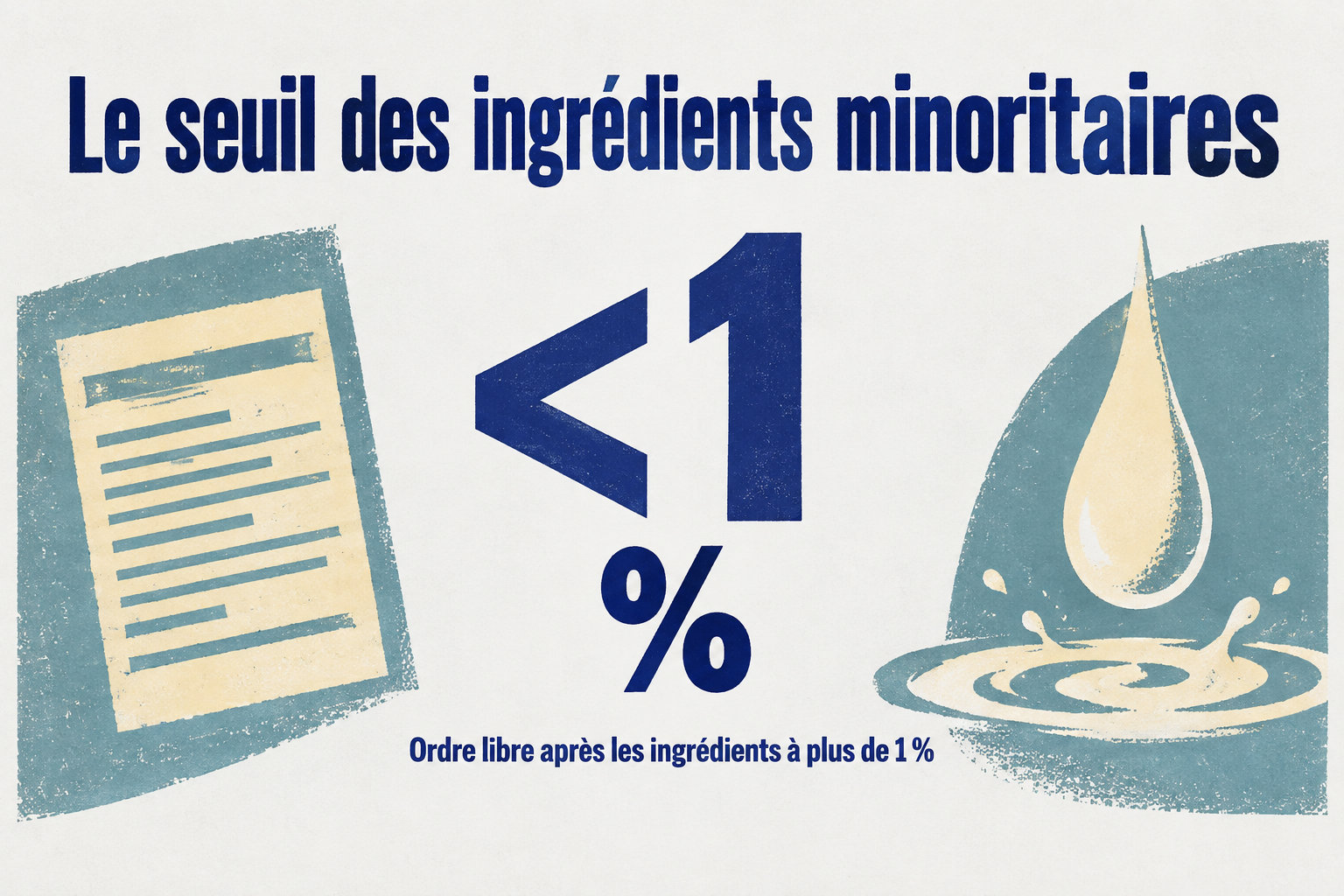
In the European Union, a cosmetic's ingredients list is set out in descending order of quantity at the time they are added. Below 1 per cent, ingredients can appear in any order.
To spot the milk, look for its name in the list:
- Goat's milk appears as ‘Goat Milk’ or ‘Caprae Lac’.
- Donkey milk appears as ‘Donkey Milk’.
- ‘Lactis Lipida’ refers to milk lipids, not whole milk.
In Bon Sens Organic Fresh Goat's Milk Soap, goat's milk sits high up in a short, unscented ingredients list.
Our choice: Organic Fresh Goat's Milk Soap
Between a goat milk soap and a donkey milk soap, our recommendation is goat's milk: richer in fat, it gives a creamy lather and leaves skin comfortable. Bon Sens Organic Fresh Goat's Milk Soap costs €8.99 and contains no added scent.

- Fresh organic goat's milk, cold-processed
- Superfatted and unscented, for face and body
- Made in France
- Rated Excellent, 100/100 on the Yuka app
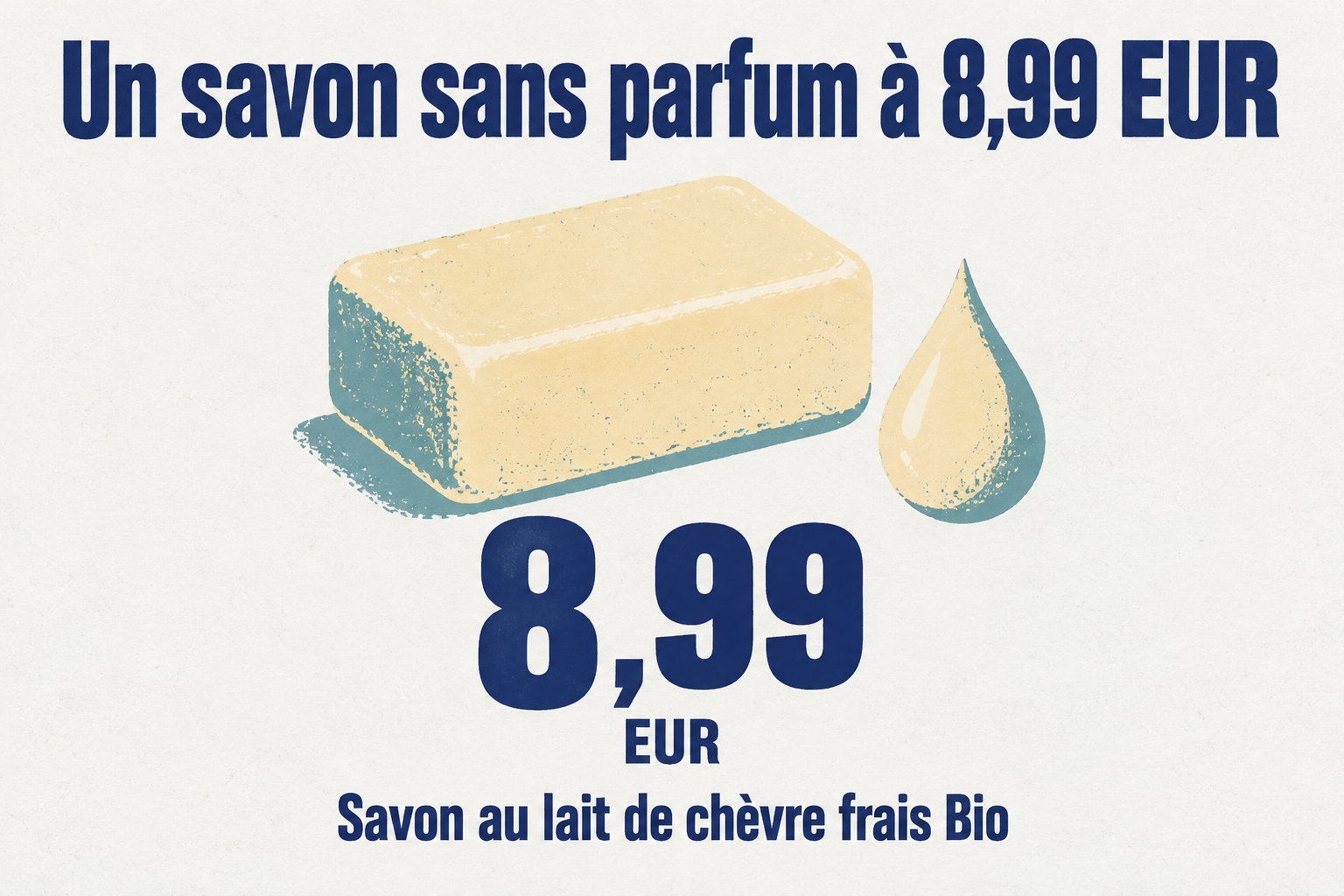
It is one of our 100/100 rated products on Yuka. To find out in detail what goat's milk brings to the skin, read our guide to goat milk soap benefits. And to compare it with a traditional soap made without milk, see our goat milk or Aleppo comparison.
Frequently asked questions
Is donkey milk gentler than goat's milk?
Donkey milk is lighter, but not gentler in a soap. Goat's milk, which is richer in fat, gives a creamier lather and more comfortable skin, especially in a superfatted, cold-process soap.
What is the gentlest soap for the skin?
The gentlest is a superfatted, unscented soap with a short formula, used without rubbing and followed by a moisturiser if your skin is dry. Bon Sens Organic Fresh Goat's Milk Soap meets all these criteria.
Is goat milk soap suitable for the face?
Yes, goat milk soap is suitable for the face as well as the body. Unscented and superfatted, it can be used morning and evening; on sensitive skin, try it first in the crook of your elbow.
Why is donkey milk soap more expensive?
Donkey milk soap is more expensive because the milk is rare: a jenny produces little milk and there are few donkey farms. Goat's milk, which is more widely available, makes a rich soap at an affordable price.