
The benefits of Tea Tree Essential Oil
Did you know that Australian standards require tea tree oil to contain at least 30% Terpinen-4-ol to guarantee its therapeutic efficacy? Despite its reputation as a natural panacea, many users fail to see results because they apply low-grade extracts or improper dilutions that irritate the skin without neutralizing pathogens. We often settle for mediocre treatments that mask symptoms instead of addressing the biological source of the infection.
We have analyzed the biochemical profile of Melaleuca alternifolia to help you master the bienfaits huile essentielle tea tree. You will learn how to leverage its antimicrobial power for acne, scalp health, and daily hygiene through safe, science-backed protocols.
- Why Tea Tree Oil is a Vital Medicine Cabinet Staple
- 3 Proven Ways to Clear Acne and Skin Blemishes
- Revitalizing Your Scalp to Eliminate Persistent Dandruff
- Can Tea Tree Oil Improve Your Daily Oral Hygiene?
- 4 Natural Oil Blends for Enhanced Therapeutic Results
- Safety Protocols and Storage to Maintain Potency
Why Tea Tree Oil is a Vital Medicine Cabinet Staple
Tea tree oil relies on Terpinen-4-ol levels exceeding 30% for its broad-spectrum antimicrobial power against bacteria and fungi. High-quality extracts maintain low 1,8-cineole to prevent irritation, ensuring safety for diverse dermatological applications.
The chemical composition of the oil directly dictates its therapeutic potential and skin compatibility.
Biochemical Profile of Terpinen-4-ol
Terpinen-4-ol dominates the profile. This molecule drives primary medicinal properties. A concentration above 30% is the industry gold standard. It ensures effective therapeutic use for your needs.
Terpinen-4-ol: Primary antimicrobial molecule (target >30%).
1,8-cineole: Compound causing irritation if levels exceed 15%.
Monitoring 1,8-cineole is vital. High levels trigger skin sensitivity. Quality oils keep this below 15% for gentle application.
The balance between high Terpinen-4-ol and low cineole defines the pharmaceutical grade of Melaleuca alternifolia, making it a safe choice for topical treatments.
Antimicrobial Mechanisms of Action
The oil attacks pathogen cell membranes. Lipophilic terpenes penetrate bacterial walls. This causes vital components to leak. The microorganism loses replication ability.
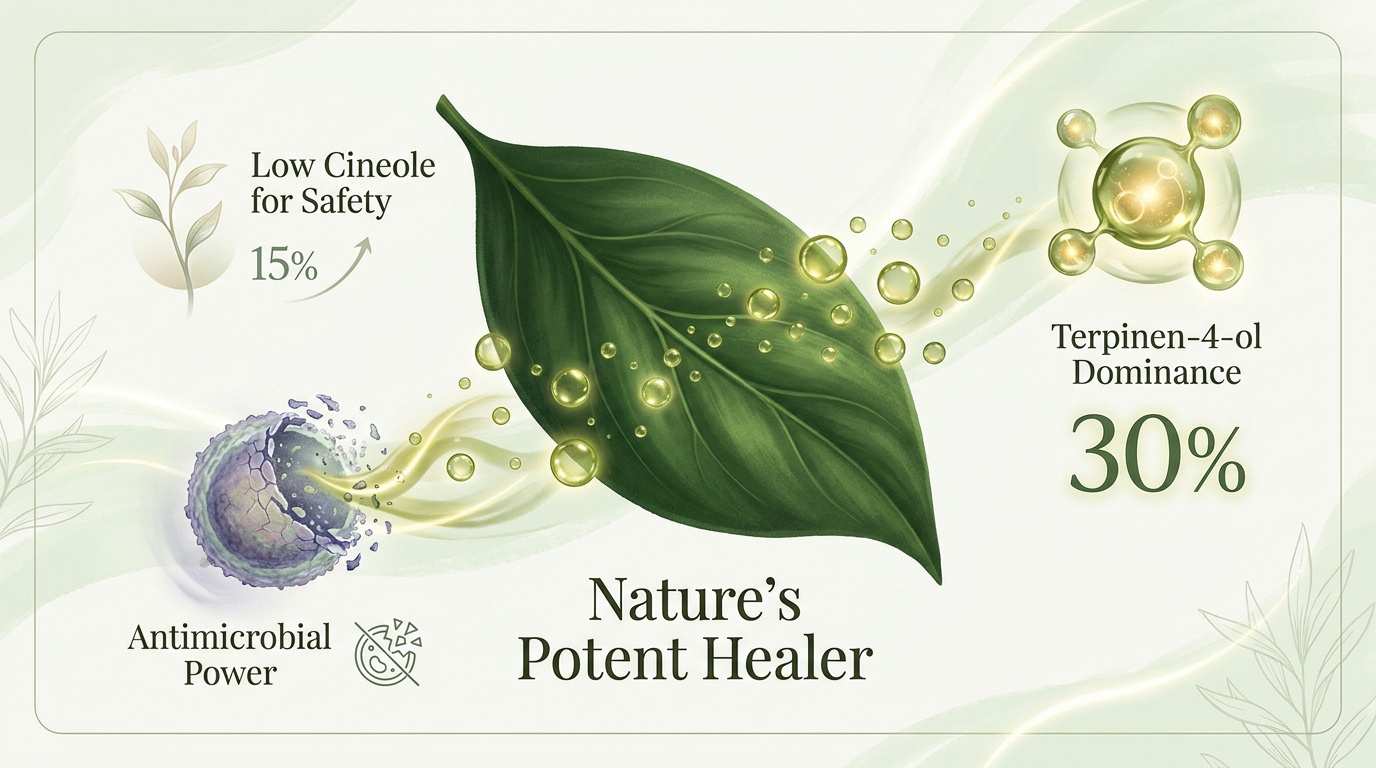
We see broad-spectrum efficacy here. It works against diverse bacteria. This makes it a versatile tool. It also shows activity against viruses.

Antifungal properties inhibit yeast and molds. This helps persistent skin conditions. Find high-quality organic tea tree oil for results.
3 Proven Ways to Clear Acne and Skin Blemishes
Beyond its chemical makeup, the most celebrated use of this extract is its ability to transform problematic skin.
Targeted Spot Treatment for Blemishes
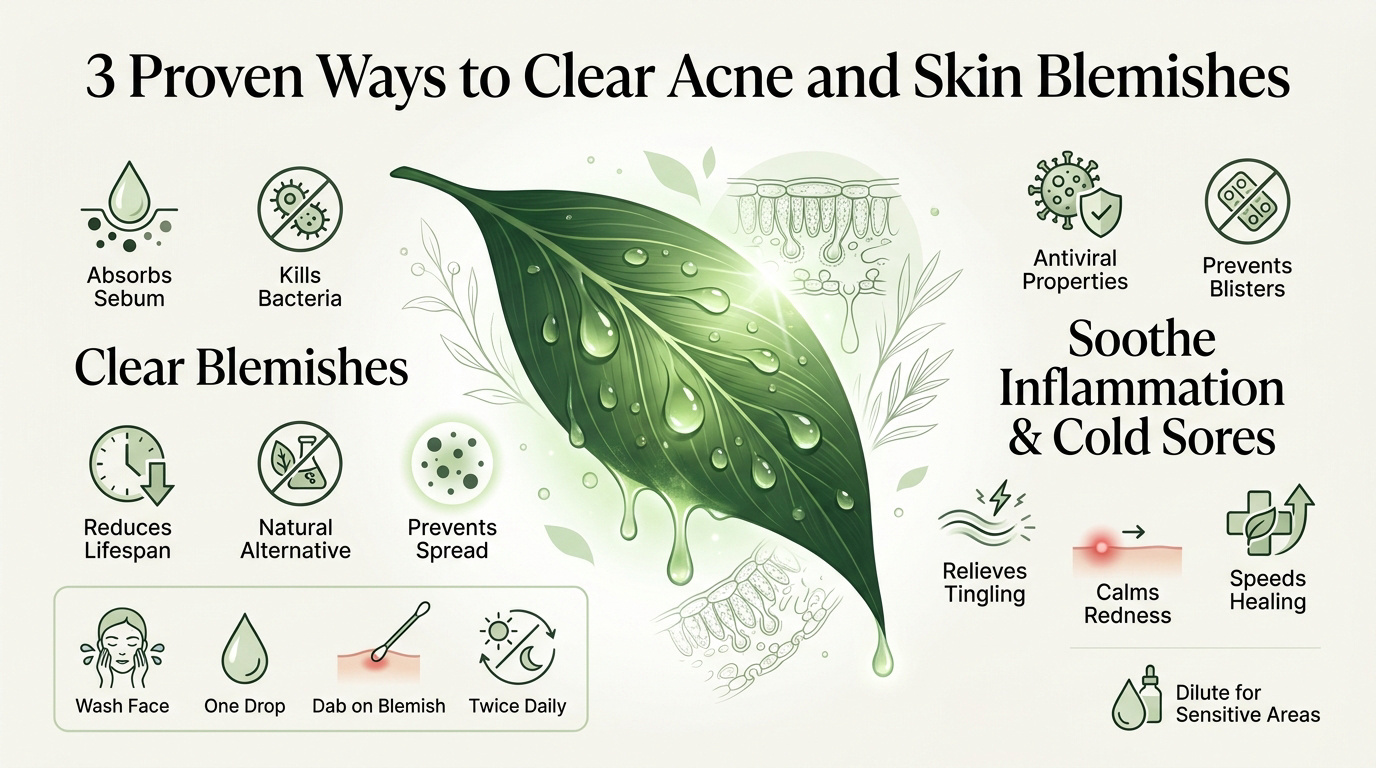
The oil exerts a powerful drying effect on active pimples. It effectively absorbs excess sebum while killing acne-causing bacteria. This action reduces the lifespan of a blemish significantly. We view it as a natural alternative to harsh chemicals like benzoyl peroxide.
- Wash face thoroughly.
- Apply one drop to a cotton swab.
- Dab directly onto the blemish.
- Repeat twice daily.
This treatment leverages a purifying nature to protect your skin. It prevents the spread of bacteria to surrounding pores. This keeps the skin clear over time. It also helps in reducing the risk of post-acne scarring.
Soothing Inflammation and Cold Sores
We address the treatment of cold sores using the oil's antiviral properties. These compounds target the herpes simplex virus directly. Early application can prevent the blister from fully forming. It provides a cooling sensation that relieves the initial tingling or itching.
The anti-inflammatory compounds calm the skin's immune response. This makes the affected area look less angry and prominent. It speeds up the natural healing process.
Dilution is key for sensitive areas. Always use a carrier oil for widespread inflammation.
Revitalizing Your Scalp to Eliminate Persistent Dandruff
Skin care doesn't stop at the hairline; the scalp requires the same antimicrobial attention to stay healthy.
Regulating Sebum in Oily Scalps
The oil helps regulate overactive sebaceous glands. This prevents the hair from looking greasy just hours after washing. It leaves the scalp feeling refreshed and deeply cleansed without stripping moisture.

Add a few drops to your regular dose of shampoo. Massage it well into the roots for maximum effect. Rinse thoroughly with lukewarm water.
Consistent use prevents the buildup of dead skin cells. This creates a better environment for hair follicles. It also adds a natural shine to the hair.
Eliminating Fungal Triggers for Dandruff
Identify Malassezia as the primary cause of dandruff. This yeast-like fungus thrives on scalp oils. Tea tree oil acts as a potent fungicide to neutralize this trigger. It stops the flaking cycle at its biological source.
Studies show that a 5% tea tree oil concentration significantly reduces the presence of Malassezia, effectively curing chronic dandruff and persistent itching.
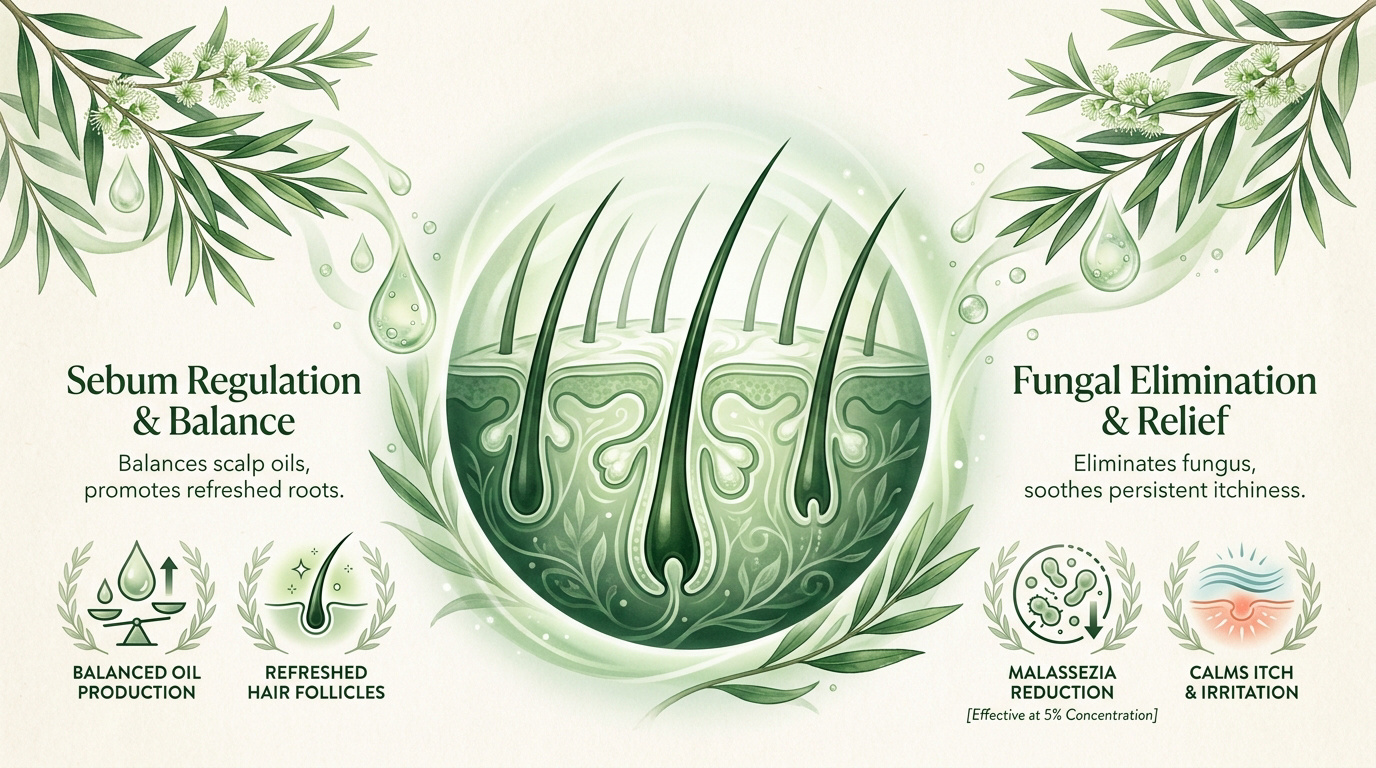
Relieving itchiness is immediate. The oil calms the irritation caused by fungal overgrowth.
Can Tea Tree Oil Improve Your Daily Oral Hygiene?
While it works wonders on the scalp, its antiseptic properties are equally effective within the oral cavity.
Managing Gingivitis and Mouth Ulcers
Treating painful mouth sores requires a precise method. Dilute exactly one drop in a glass of water. Use this solution as a mouthwash to target ulcers directly. It reduces pain and prevents the sore from becoming infected.

The antiseptic action effectively reduces bacteria causing gingivitis. This process helps firm up bleeding or swollen gums. Regular rinsing promotes a significantly cleaner oral environment. We observe rapid improvements in gum tissue health.
Never swallow the oil during the rinsing process. It is meant for topical contact only. Always rinse your mouth with plain water afterward.
Supporting Immunity and Home Hygiene
Natural household disinfection is simple with this oil. Add it to water and vinegar for a potent surface cleaner. It is particularly effective on kitchen counters and bathroom tiles. It kills germs without leaving toxic residues behind.
We recommend these specific applications for a healthier home:
- Disinfecting door handles to limit germ spread.
- Cleaning yoga mats after intense sessions.
- Freshening laundry by adding drops to the drum.
- Purifying air via diffusion during winter months.
Boost your immune defenses immediately. Use it in a diffuser to help combat seasonal viral peaks.
| Benefit | Application |
|---|---|
| Oral Care | Gingivitis & Ulcers |
| Home Hygiene | Surface Disinfection |
| Immunity | Diffusion during Viral Peaks |
4 Natural Oil Blends for Enhanced Therapeutic Results
To maximize these benefits, blending tea tree with specific carrier oils creates powerful synergies for targeted care.
Purifying Blends with Nigella Oil
Combine with Nigella oil for intense purification. This blend is perfect for acne-prone complexions that need regeneration. Nigella oil adds its own anti-inflammatory properties to the mix.
The mixture helps heal old acne scars more quickly. It also prevents new breakouts by keeping pores clear. Apply it as a nightly serum.
Regular use smooths out the skin's surface. It reduces the appearance of enlarged pores. The skin looks more balanced and healthy.
Hydrating Balance with Jojoba and Rosehip
Jojoba oil is a master of balance. It mimics the skin's natural sebum to provide hydration without clogging pores. This makes it the ideal carrier for oily but dehydrated skin, ensuring Jojoba oil delivers tea tree safely.
We recommend adding Rosehip oil for anti-aging. It provides essential fatty acids and vitamin A. This supports skin elasticity and reduces fine lines.
| Carrier Oil | Main Benefit | Best For | Synergy with Tea Tree |
|---|---|---|---|
| Nigella | Purification | Acne-prone skin | Antibacterial boost |
| Jojoba | Sebum control | Oily/Mixed skin | Balanced hydration |
| Rosehip | Anti-aging | Scars/Wrinkles | Skin repair |
| Castor | Growth | Hair/Nails | Scalp health |
Hair Growth Boost with Castor Oil
Experience the synergy with Castor oil. This thick oil strengthens hair fibers from the root. Tea tree ensures the scalp is clean enough for the Castor oil to penetrate.
Use a small brush to apply the blend to the nail beds. This prevents fungal infections and encourages growth. It also thickens the appearance of lashes.
Apply as a weekly mask. Leave it on for thirty minutes before washing.
Safety Protocols and Storage to Maintain Potency
Even the most natural remedies require strict adherence to safety rules to avoid adverse reactions.
Dilution Standards and Age Restrictions
Mandatory dilution ratios protect your skin. For large areas, maintain a 1% to 2% concentration. Mix five drops per tablespoon of carrier oil. This prevents widespread irritation or sensitization.
- Not for children under 6 years old.
- Avoid during the first trimester of pregnancy.
- Never apply to internal ear canals.
- Keep away from eyes.
Always perform a skin patch test. Apply diluted oil to your inner elbow. Wait twenty-four hours for redness. This step is vital for users.
Preventing Oxidation and Identifying Spoilage
Light and heat trigger rapid oxidation. This process creates para-cymene, a known irritant. Store bottles in cool, dark places. Stability depends on these environmental factors.

Identify spoiled oil by its smell. A thicker consistency or cloudy appearance signals degradation. Discard such products immediately. Using oxidized oil risks significant skin damage.
Tighten the cap firmly. Oxygen destroys essential oil potency.
High-quality tea tree oil, featuring over 30% Terpinen-4-ol, delivers essential antimicrobial and anti-inflammatory support for skin, scalp, and oral health. Integrate this potent extract into your daily hygiene routine or carrier oil blends to neutralize pathogens and restore balance. Secure your bottle now to experience these proven bienfaits huile essentielle tea tree and achieve a clearer, healthier future.
FAQ
What are the primary therapeutic benefits of tea tree oil?
Tea tree oil is a powerful antimicrobial agent with proven antibacterial, antifungal, and antiviral properties. It is highly effective for treating skin infections, respiratory issues like bronchitis, and oral conditions such as gingivitis or mouth ulcers. Its biochemical profile, dominated by Terpinen-4-ol, allows it to neutralize a wide range of pathogens by disrupting their cell membranes.
How should I apply tea tree oil to treat acne and blemishes?
For isolated spots, you can apply one drop of the oil directly to the blemish using a cotton swab twice daily. This process absorbs excess sebum and targets Cutibacterium acnes to reduce inflammation. For sensitive skin or larger areas, we recommend diluting the extract in a carrier oil like Jojoba or Nigella to prevent irritation while maintaining efficacy.
Can tea tree oil effectively eliminate dandruff?
Yes, tea tree oil acts as a potent fungicide against Malassezia, the yeast-like fungus responsible for dandruff. By regulating overactive sebaceous glands, it prevents the oily buildup that triggers flaking. Adding a few drops to your regular shampoo dose helps purify the scalp, reduces persistent itching, and restores long-term scalp health.
Is tea tree oil safe for oral hygiene routines?
Tea tree oil is excellent for managing mouth sores and gum inflammation when used as a rinse. You should dilute one drop in a glass of water to create an antiseptic mouthwash that targets bacteria causing gingivitis. Crucial safety note: Never swallow the mixture; it is intended for topical contact within the oral cavity only, and you must rinse with plain water afterward.
What are the essential safety precautions and storage rules?
Safety is paramount: this oil is not for children under 6 years old or women in their first trimester of pregnancy. Always perform a skin patch test and maintain a 1% to 2% dilution for large areas. To preserve potency, store your bottle in a cool, dark place; oxidation creates para-cymene, which can cause skin sensitization. If the oil becomes cloudy or changes smell, discard it immediately.
Which carrier oils provide the best results when blended with tea tree?
Choosing the right synergy depends on your specific goal. For acne-prone skin, Nigella oil offers intense purification, while Jojoba oil is ideal for balancing sebum. If you are targeting hair growth or nail health, Castor oil provides the necessary strength and protection against fungal infections.